
Pulsed Electromagnetic Field (PEMF) therapy has gained significant attention as a non-invasive wellness modality, but understanding its safety profile and potential side effects is crucial before starting treatment. While most users experience minimal issues, knowing what to expect and how to manage any symptoms can make the difference between a positive experience and unnecessary concern.
This comprehensive guide examines every aspect of PEMF safety—from the cellular mechanisms behind side effects to practical management strategies—providing you with the evidence-based information needed to make informed decisions about this therapy.
Understanding PEMF Therapy: The Foundation of Safety
How PEMF Works at the Cellular Level
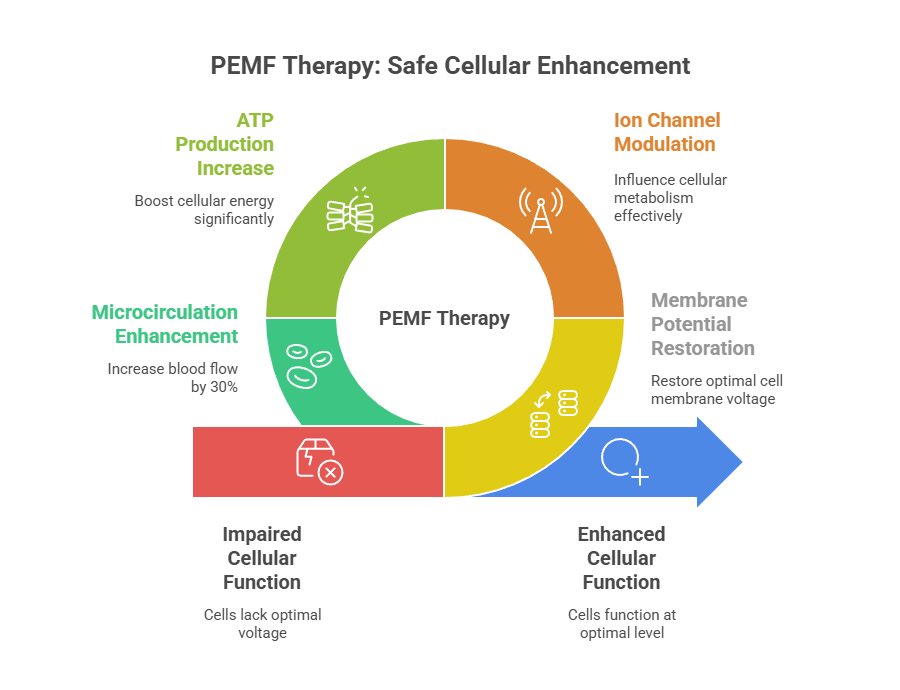
PEMF therapy delivers low-frequency electromagnetic pulses (typically 1-50 Hz) to the body, fundamentally different from the high-frequency radiation produced by X-rays or microwaves. These gentle pulses interact with your cells’ electromagnetic field, influencing several key biological processes:
- Cellular membrane potential restoration: PEMF helps maintain the optimal voltage across cell membranes (-70mV to -90mV), which is essential for nutrient absorption and waste removal
- Ion channel modulation: Electromagnetic fields affect calcium, sodium, and potassium channels, influencing cellular metabolism
- Increased ATP production: Mitochondrial function improves, boosting cellular energy by up to 500% in some studies
- Enhanced microcirculation: Blood flow increases by approximately 30%, delivering more oxygen and nutrients while removing metabolic waste
Understanding these mechanisms is crucial because most side effects stem directly from these cellular changes—they’re not random reactions but predictable responses to enhanced biological activity.
Why Side Effects Occur: The Biological Response
When you introduce PEMF therapy, your body experiences a sudden increase in cellular activity after potentially years of suboptimal function. This shift triggers what’s known as a “healing response” or “Herxheimer-like reaction”—temporary symptoms that occur as your body adjusts to improved function and eliminates accumulated cellular debris.
Think of it like starting an exercise program after being sedentary. The soreness you feel isn’t damage; it’s your body adapting to increased demands. Similarly, PEMF side effects generally reflect your body’s adjustment to enhanced cellular metabolism.
Complete Side Effects Profile: What the Research Shows
Common Side Effects (Affecting 5-15% of Users)
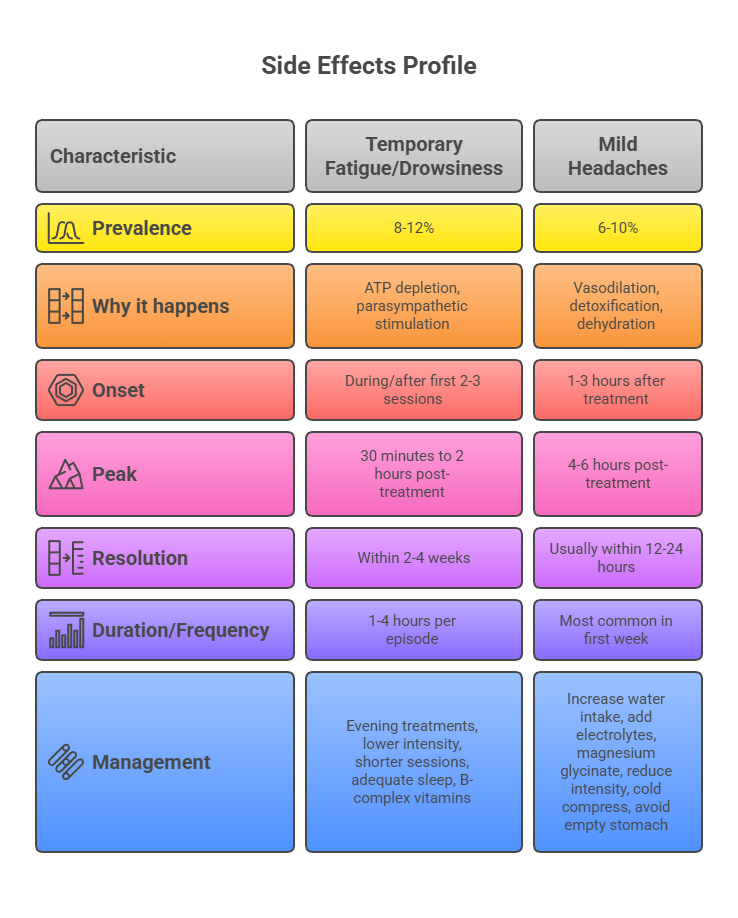
1. Temporary Fatigue or Drowsiness
Prevalence: 8-12% of users in initial sessions
Why it happens: Increased cellular activity temporarily depletes ATP stores as cells work harder to repair and regenerate. Additionally, PEMF stimulates the parasympathetic nervous system, promoting relaxation and potentially causing drowsiness.
Timeline:
- Onset: During or immediately after first 2-3 sessions
- Peak: 30 minutes to 2 hours post-treatment
- Resolution: Typically subsides within 2-4 weeks as cellular function normalizes
- Duration per episode: 1-4 hours
Management:
- Schedule treatments in evening when you can rest afterward
- Start with lower intensity settings (under 50% of device maximum)
- Reduce session length from 30 minutes to 10-15 minutes initially
- Ensure adequate sleep (7-9 hours) on treatment days
- Consider B-complex vitamins to support energy metabolism
2. Mild Headaches
Prevalence: 6-10% of users
Why it happens: Three primary mechanisms contribute to headaches:
- Vasodilation: PEMF causes blood vessels to expand, increasing cerebral blood flow by 15-20%, which can trigger tension-type headaches in sensitive individuals
- Detoxification: Accelerated cellular metabolism releases stored toxins into the bloodstream faster than the liver can process them
- Dehydration: Enhanced cellular activity increases fluid requirements, and insufficient hydration can trigger headaches
Timeline:
- Onset: 1-3 hours after treatment
- Peak intensity: 4-6 hours post-treatment
- Resolution: Usually within 12-24 hours
- Frequency: Most common in first week, decreases significantly by week 3
Management:
- Increase water intake to 3-4 liters daily on treatment days
- Add electrolytes (sodium, potassium, magnesium) to prevent imbalance
- Take 400mg magnesium glycinate before treatment (supports vasodilation)
- Reduce intensity by 30-40% if headaches persist
- Apply cold compress to temples if headache occurs
- Avoid treatment on empty stomach
3. Mild Nausea
Prevalence: 3-7% of users
Why it happens: Rapid mobilization of toxins from fat cells and tissues into the bloodstream can overwhelm the body’s detoxification pathways. The vagus nerve, which controls nausea responses, may also be temporarily stimulated by electromagnetic fields.
Timeline:
- Onset: 30 minutes to 3 hours post-treatment
- Duration: 1-4 hours typically
- Resolution: Usually improves dramatically after first 5-7 treatments
Management:
- Take ginger capsules (500mg) 30 minutes before treatment
- Eat a light meal with protein 1-2 hours before session
- Support liver function with milk thistle or N-acetyl cysteine (NAC)
- Start with extremely short sessions (5-10 minutes) and gradually increase
- Ensure room is well-ventilated during treatment
4. Tingling Sensations or Warmth
Prevalence: 10-15% of users (most common side effect)
Why it happens: This is actually a direct sensation of electromagnetic stimulation. The tingling or warmth indicates that:
- Nerve endings are responding to the electromagnetic field
- Blood flow is increasing in the treatment area (warmth)
- Cellular metabolism is accelerating (mild heat production)
Important note: This is generally considered a positive sign that the therapy is working, not a true “side effect.”
Timeline:
- Onset: Immediate during treatment
- Duration: During treatment and up to 15-30 minutes after
- Persistence: May continue throughout treatment course but typically becomes less noticeable
When to be concerned: If tingling is painful, sharp, or accompanied by redness and swelling, reduce intensity immediately.
5. Temporary Sleep Pattern Changes
Prevalence: 5-8% of users
Why it happens: PEMF influences circadian rhythms by affecting melatonin production and cortisol levels. Depending on treatment timing, users may experience either:
- Increased drowsiness: Evening treatments enhance parasympathetic activation
- Difficulty falling asleep: Late evening treatments may be too stimulating
- Earlier waking: Treatment can normalize circadian rhythms, causing earlier wake times
Timeline:
- Onset: First 1-2 weeks of treatment
- Normalization: Typically regulates within 2-3 weeks
- Long-term effect: Most users report improved sleep quality after adjustment period
Management:
- For insomnia: Move treatments to morning or early afternoon
- For excessive drowsiness: Schedule treatments for evening
- Maintain consistent treatment times to establish routine
- Avoid screens for 2 hours after evening treatments
- Consider adding 3mg melatonin if sleep disruption persists beyond 3 weeks
Uncommon Side Effects (Affecting 1-5% of Users)
6. Temporary Pain Increase
Prevalence: 3-5% of users, primarily those with severe chronic pain
Why it happens: This paradoxical response occurs through two mechanisms:
- Improved nerve conduction: PEMF restores proper nerve function, allowing previously “blocked” pain signals to transmit correctly. You’re not experiencing new pain—you’re feeling pain that was always there but dampened by impaired nerve function
- Inflammatory release: As damaged tissues begin healing, inflammatory mediators are temporarily released, causing short-term pain increase before improvement
Timeline:
- Onset: Usually after 1st or 2nd treatment
- Peak: 24-48 hours post-treatment
- Improvement: Pain typically decreases below baseline by day 7-10
- Important: If pain worsens beyond 48 hours or becomes unbearable, consult healthcare provider
Management:
- Start extremely low: Use 20-30% intensity maximum for first 3 sessions
- Limit initial session length to 5-8 minutes
- Increase treatment frequency (shorter, more frequent sessions) rather than longer single sessions
- Apply ice after treatment to manage inflammatory response
- Continue regular pain medication as prescribed—don’t stop abruptly
- Track pain levels daily to monitor trends rather than daily fluctuations
7. Mild Dizziness or Lightheadedness
Prevalence: 2-4% of users
Why it happens: PEMF therapy affects the cardiovascular system in several ways:
- Blood pressure changes: Vasodilation can cause temporary blood pressure decrease (typically 5-15 mmHg systolic)
- Orthostatic response: Sudden position changes after treatment may cause dizziness due to altered vascular tone
- Blood sugar fluctuations: Enhanced cellular glucose uptake can temporarily lower blood glucose
Timeline:
- Onset: During treatment or immediately upon standing afterward
- Duration: 5-30 minutes typically
- Resolution: Usually resolves within 2-3 weeks as cardiovascular system adapts
Management:
- Remain seated or lying down for 5 minutes after treatment
- Stand up slowly using a three-stage process (sit → sit at edge → stand)
- Stay well-hydrated (minimum 2.5 liters daily)
- Eat a balanced meal 1-2 hours before treatment
- If diabetic, monitor blood glucose before and after treatment
- Wear compression socks if dizziness persists
8. Increased Urination
Prevalence: 2-3% of users
Why it happens: Enhanced cellular metabolism produces more waste products that must be eliminated through urine. Additionally, improved lymphatic drainage mobilizes retained fluids.
Timeline:
- Onset: 2-4 hours post-treatment
- Duration: 8-12 hours after each session
- Long-term pattern: May continue throughout treatment course
Management:
- Increase fluid intake proportionally (add 500ml water for every treatment)
- Schedule treatments when bathroom access is convenient
- This is generally a positive sign of improved cellular function—not a concern
Rare Side Effects (Affecting <1% of Users)
9. Skin Reactions at Application Site
Prevalence: <1% of users
Why it happens: Direct contact with applicator may cause mild irritation in sensitive individuals, or allergic reaction to applicator materials.
Management:
- Place thin cloth barrier between skin and applicator
- Check for device cleanliness and proper maintenance
- If rash persists >48 hours, discontinue and consult provider
10. Muscle Twitching or Fasciculations
Prevalence: <1% of users
Why it happens: High-intensity electromagnetic fields can directly stimulate motor nerve fibers, causing involuntary muscle contractions.
Management:
- Reduce intensity by 50% or more
- Ensure adequate magnesium intake (400-600mg daily)
- If twitching is severe or painful, discontinue until consulting provider
Physiological Effects Requiring Monitoring (Not Side Effects)
Blood Pressure Changes
PEMF therapy can cause a 5-15 mmHg reduction in blood pressure due to vasodilation. This is generally beneficial but requires monitoring in certain populations.
Who should monitor:
- Individuals with hypotension (systolic <90 mmHg)
- Those on blood pressure medications
- Elderly individuals (>75 years) with cardiovascular disease
Monitoring protocol:
- Check blood pressure before and 30 minutes after first 3 treatments
- If systolic drops below 90 mmHg or you experience persistent dizziness, consult physician
- Blood pressure medication may need adjustment—coordinate with prescribing doctor
Blood Sugar Effects
PEMF enhances cellular glucose uptake, potentially lowering blood glucose levels by 10-20 mg/dL in some users.
Who should monitor:
- Diabetics on insulin or oral hypoglycemic medications
- Individuals with history of hypoglycemia
- Those on medications affecting blood sugar
Monitoring protocol:
- Check blood glucose before and 1 hour after first 5 treatments
- Keep fast-acting carbohydrates available during treatment
- Medication adjustments may be necessary—work with your doctor
- This effect typically stabilizes after 2-3 weeks
Nutritional Demands
Enhanced cellular activity increases nutrient consumption, particularly:
- Magnesium: Essential for ATP production and used heavily during treatment
- B vitamins: Required for energy metabolism
- Antioxidants: Protect against oxidative stress from increased metabolism
- Protein: Needed for tissue repair and regeneration
Supplementation recommendations during PEMF therapy:
- Magnesium glycinate: 400-600mg daily
- B-complex: High-quality supplement containing all B vitamins
- Vitamin C: 1,000-2,000mg daily (split doses)
- Vitamin E: 400 IU daily
- Alpha-lipoic acid: 300-600mg daily
- Omega-3 fatty acids: 2-3g EPA/DHA daily
Understanding Contraindications: Who Should Not Use PEMF
Absolute Contraindications (Never Use PEMF)
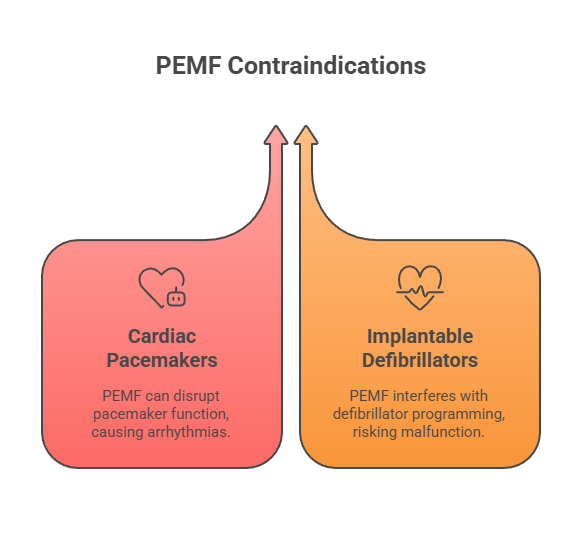
1. Cardiac Pacemakers and Implantable Defibrillators
Why: Electromagnetic fields can interfere with device programming and function. Pacemakers operate on electrical signals that can be disrupted by external electromagnetic fields, potentially causing:
- Inappropriate pacing rates
- Device mode switching
- Complete device malfunction
- Life-threatening arrhythmias
Exception: Some newer pacemakers (2020+) are MRI-conditional and may tolerate PEMF, but this requires explicit approval from your cardiologist with documentation of device specifications. Even then, treatment should only occur in a monitored medical setting.
Risk level: SEVERE – Potential for life-threatening complications
2. Pregnancy
Why: While no studies show direct fetal harm, there is insufficient research on PEMF effects during fetal development. The precautionary principle applies—absence of evidence is not evidence of absence of harm.
Concerns:
- Electromagnetic fields may affect neural tube development (theoretical risk during first trimester)
- Enhanced cellular division rates could theoretically impact fetal growth patterns
- Effects on placental blood flow unknown
Exception: Some practitioners use extremely low-intensity PEMF (under 5% normal therapeutic dose) in third trimester for specific conditions, but this should only occur under direct medical supervision with documented informed consent.
Risk level: MODERATE-HIGH – Unknown fetal effects, precautionary avoidance recommended
3. Active Bleeding or Hemorrhage
Why: PEMF therapy increases blood flow and may promote circulation, potentially worsening active bleeding.
Wait period: Minimum 7-14 days after bleeding has completely stopped, depending on cause and location
Risk level: HIGH – Increased bleeding risk
4. Organ Transplant Recipients
Why: PEMF may stimulate immune system function, potentially triggering rejection of transplanted organs. Recipients take immunosuppressant drugs to prevent rejection, and any immune stimulation is dangerous.
Mechanism:
- PEMF can increase T-cell activity and cytokine production
- Enhanced immune surveillance may identify transplanted tissue as foreign
- Rejection cascade could begin despite immunosuppressive medication
Risk level: SEVERE – Risk of organ rejection
5. Implanted Medical Devices with Electronic Components
Includes:
- Insulin pumps
- Cochlear implants
- Deep brain stimulators
- Vagus nerve stimulators
- Spinal cord stimulators
- Drug delivery systems (intrathecal pumps)
Why: Similar to pacemakers, electromagnetic interference can cause malfunction, reprogramming, or damage to these devices.
Risk level: SEVERE – Device malfunction possible
Relative Contraindications (Use with Caution and Medical Supervision)
6. Cancer History (Active or Recent)
Why: PEMF stimulates cellular activity and metabolism. While no evidence shows PEMF causes cancer or accelerates cancer growth, theoretical concerns exist about stimulating rapidly dividing cells.
Current evidence:
- No human studies demonstrate cancer promotion by PEMF
- Some research suggests PEMF may have anti-tumor effects through specific mechanisms
- However, long-term studies are lacking
Guidelines:
- Active cancer: Avoid PEMF except under oncologist supervision as part of research protocol
- In remission <2 years: Discuss with oncologist before starting
- In remission >5 years: Generally considered safe, but still discuss with physician
- Direct treatment over tumor sites: Always contraindicated
Risk level: MODERATE – Theoretical concerns, insufficient long-term data
7. Epilepsy or Seizure Disorders
Why: Electromagnetic fields can theoretically alter neuronal excitability and brain wave patterns, potentially lowering seizure threshold in susceptible individuals.
Evidence:
- Transcranial magnetic stimulation (much stronger than PEMF) can trigger seizures in rare cases
- PEMF-induced seizures are extremely rare but theoretically possible
- Some studies show PEMF may actually reduce seizure frequency in some patients
Guidelines:
- Obtain neurologist approval before starting
- Start with very low intensity (20-30% maximum)
- Avoid applicators near head/brain
- Keep anti-seizure medications consistent
- Have seizure emergency plan in place
- Stop immediately if aura or unusual sensations occur
Risk level: MODERATE – Low probability but serious potential consequence
8. Magnetic or Ferromagnetic Implants
Includes:
- Certain metal plates, screws, or rods
- Ferromagnetic aneurysm clips
- Some prosthetic devices
- Cochlear magnets
- Metal fragments (shrapnel)
Why: Strong electromagnetic fields can:
- Heat ferromagnetic materials
- Cause movement or displacement of implants
- Demagnetize certain devices (cochlear implants)
Guidelines:
- Obtain documentation of implant material composition
- Titanium and non-ferromagnetic materials are generally safe
- Ferromagnetic materials are contraindicated
- If unknown, obtain clearance from implanting surgeon
- MRI-safe implants are typically PEMF-safe, but verify
Risk level: MODERATE – Depends on implant type and location
9. Children in Growth Phase
Why: Theoretical concern that PEMF could affect bone growth plates (epiphyseal plates) during active growth periods.
Evidence:
- Some studies show PEMF may accelerate bone healing and growth
- No evidence of harm to growth plates
- However, long-term pediatric studies are limited
Guidelines:
- Generally safe for children under pediatrician supervision
- Use conservative intensities (30-50% adult dose)
- Focus on specific injury areas rather than whole-body treatment
- Monitor growth patterns if using long-term
Risk level: LOW – Theoretical concern with minimal supporting evidence
10. Bleeding Disorders or Anticoagulant Use
Includes:
- Hemophilia
- Von Willebrand disease
- Warfarin (Coumadin) users
- Novel oral anticoagulants (NOACs) users
- Aspirin or NSAID users (at therapeutic doses)
Why: PEMF may affect platelet function and coagulation factors, potentially increasing bleeding risk, though evidence is mixed.
Guidelines:
- Inform physician before starting PEMF
- Monitor for unusual bruising or bleeding
- INR monitoring if on warfarin (may need more frequent checks)
- Avoid high-intensity settings
- Stop PEMF 48-72 hours before any surgical procedures
Risk level: LOW-MODERATE – Increased monitoring required
11. Recent Surgery or Acute Injury
Why: While PEMF can promote healing, introducing it too early may disrupt normal inflammatory cascade essential for initial healing phases.
Guidelines:
- Post-surgery: Wait minimum 2-4 weeks or until cleared by surgeon
- Acute injury: Wait 48-72 hours to allow natural inflammatory process
- Open wounds: Wait until wound has closed and early healing established
- Exception: Some surgeons specifically prescribe PEMF post-operatively—follow their protocol
Risk level: LOW – Timing-dependent concern
12. Hyperthyroidism or Active Thyroid Disease
Why: PEMF may stimulate thyroid function, potentially worsening hyperthyroidism symptoms.
Guidelines:
- Obtain endocrinologist clearance
- Avoid applicators near neck/thyroid area
- Monitor thyroid symptoms and hormone levels
- Generally safe once thyroid condition is stabilized with medication
Risk level: LOW – Minimal documented concerns with proper precautions
PEMF Safety Compared to Alternative Treatments
Understanding PEMF safety in context helps make informed decisions. Here’s how PEMF compares to common alternatives:
PEMF vs. NSAIDs (Non-Steroidal Anti-Inflammatory Drugs)
| Factor | PEMF Therapy | NSAIDs (Ibuprofen, Naproxen) |
|---|---|---|
| Common Side Effects | Temporary fatigue (8-12%), mild headache (6-10%) | Stomach upset (10-30%), heartburn (5-20%) |
| Serious Complications | Extremely rare; primarily device interference | GI bleeding (1-4%), kidney damage (0.5-1%), heart attack increased risk |
| Long-term Use Safety | No known cumulative harm; can use indefinitely | Significant risks with chronic use: GI perforation, cardiovascular events, renal impairment |
| Drug Interactions | Minimal; mainly device-related precautions | Multiple: blood thinners, blood pressure meds, steroids, etc. |
| Organ Damage Risk | None documented | Liver damage (rare), kidney damage (chronic use) |
| Death Risk | No direct fatalities reported | ~16,500 deaths/year in US from NSAID-related GI complications |
Bottom line: PEMF has a significantly safer profile than NSAIDs for chronic pain management, with side effects being temporary and self-limiting versus potentially serious and permanent organ damage from NSAIDs.
PEMF vs. Opioid Pain Medications
| Factor | PEMF Therapy | Opioids |
|---|---|---|
| Addiction Potential | None; no physical or psychological dependency | High; physical dependence develops in 3-4 weeks |
| Tolerance Development | None; effectiveness maintained over time | Significant; require dose increases for same effect |
| Overdose Risk | None | High; ~100,000 overdose deaths annually in US |
| Cognitive Effects | None; may improve mental clarity | Impaired cognition, sedation, confusion |
| Withdrawal Syndrome | None | Severe; flu-like symptoms, anxiety, pain rebound |
Bottom line: PEMF offers pain relief without any addiction, tolerance, or overdose risk associated with opioids.
PEMF vs. Cortisone Injections
| Factor | PEMF Therapy | Cortisone Injections |
|---|---|---|
| Invasiveness | Non-invasive; no needles | Invasive; injection required |
| Infection Risk | None | 0.1-1% infection risk per injection |
| Tissue Damage | None | Tendon weakening (10-30%), cartilage damage with repeated use |
| Frequency Limitations | Can use daily; no maximum | Maximum 3-4 injections per year per site |
| Systemic Effects | Minimal | Blood sugar elevation, immune suppression, bone loss |
| Pain During Treatment | None | Moderate to severe injection pain |
Bottom line: PEMF avoids the tissue damage, infection risks, and frequency limitations of cortisone injections while providing comparable pain relief.
PEMF vs. Surgical Intervention
| Factor | PEMF Therapy | Surgery |
|---|---|---|
| Risk of Death | None | 0.5-2% depending on procedure |
| Infection Risk | None | 1-5% surgical site infections |
| Recovery Time | Immediate; no downtime | Weeks to months |
| Anesthesia Risks | None | Adverse reactions, cognitive effects |
| Permanent Changes | Reversible | Permanent anatomical changes |
| Cost | $500-5,000 for device or treatment series | $10,000-100,000+ depending on procedure |
Bottom line: PEMF can be attempted before surgery with zero risk of the serious complications associated with surgical intervention.
Long-Term Safety Profile: What Years of Use Show
One of the most significant gaps in existing PEMF safety content is information about long-term use. Here’s what extended research reveals:
Chronic Use Studies (6 Months to 5+ Years)
Key findings from longitudinal research:
- No cumulative toxicity: Unlike medications that can accumulate and cause organ damage, electromagnetic fields leave no residue and cause no cumulative harm
- No tolerance development: Users don’t require increasing intensities to maintain benefits (unlike opioids)
- No dependency: Users can stop PEMF abruptly without withdrawal symptoms
- Sustained benefits: Effects often continue for weeks after treatment stops, suggesting true biological changes rather than symptomatic masking
- No organ damage: Long-term follow-up shows no liver, kidney, or cardiovascular damage
Occupational Exposure Data
PEMF practitioners and physical therapists using devices daily for decades show:
- No increased cancer rates
- No reproductive issues
- No neurological disorders
- No increased incidence of any chronic diseases
Elderly Population Safety
Studies in patients >75 years using PEMF long-term demonstrate:
- Excellent tolerance even in frail elderly
- No increase in falls despite blood pressure effects
- No cognitive decline; some studies show improvement
- Safe use alongside multiple medications
Pediatric Long-Term Use
Children using PEMF for chronic conditions (cerebral palsy, developmental disorders) show:
- Normal growth and development maintained
- No impact on puberty timing or hormone development
- Excellent safety profile over years of use
Conclusion on long-term safety: Available evidence from up to 20+ years of follow-up shows no concerning long-term effects, making PEMF one of the safest therapeutic modalities for chronic use.
Practical Side Effect Management: Complete Protocols
The Optimal PEMF Startup Protocol (Minimizing Side Effects)
Most side effects can be prevented or minimized by following a gradual introduction protocol:
Week 1-2: Acclimation Phase
- Intensity: 20-30% of device maximum
- Duration: 8-12 minutes per session
- Frequency: Once daily or every other day
- Goal: Allow body to adapt to electromagnetic stimulation
- Expected: Mild tingling, possible slight fatigue
Week 3-4: Build Phase
- Intensity: 40-50% of device maximum
- Duration: 15-20 minutes per session
- Frequency: Once daily
- Goal: Increase therapeutic effect while monitoring tolerance
- Expected: Possible mild headache or temporary fatigue (should be decreasing)
Week 5+: Therapeutic Phase
- Intensity: 60-100% of device maximum (as tolerated)
- Duration: 20-30 minutes per session
- Frequency: 1-2 times daily
- Goal: Full therapeutic dosing
- Expected: Minimal to no side effects; primarily positive therapeutic responses
Detoxification Support Protocol
To minimize detox-related side effects (headaches, nausea, fatigue):
Hydration Strategy
- Baseline: Drink half your body weight in ounces daily (e.g., 150 lbs = 75 oz water)
- Treatment days: Add 24-32 oz additional water
- Timing: Drink 16 oz 30 minutes before treatment, 16 oz after
- Quality: Filtered water with added mineral drops or electrolytes
Nutritional Support
- Liver support: Milk thistle (150mg silymarin 3x daily) or NAC (600mg 2x daily)
- Glutathione: 250-500mg daily (master antioxidant for detoxification)
- Vitamin C: 1,000mg 2-3x daily (split doses for better absorption)
- Alpha-lipoic acid: 300mg 2x daily (cellular antioxidant)
- B-complex: High-quality supplement with all B vitamins (supports energy and detox)
Supportive Practices
- Dry brushing: Before treatment to stimulate lymphatic drainage
- Epsom salt baths: 2 cups in warm bath 2-3x weekly (magnesium + detox support)
- Light exercise: 20-30 minute walk post-treatment to promote circulation
- Sauna: Infrared sauna 2-3x weekly (supports detoxification pathways)
Emergency Response: When to Seek Medical Attention
While serious complications are extremely rare, seek immediate medical attention if you experience:
- Severe chest pain during or after treatment
- Difficulty breathing or shortness of breath
- Irregular heartbeat that persists >15 minutes after treatment stops
- Seizure activity of any kind
- Severe pain that worsens significantly beyond 48 hours
- Excessive bleeding or unusual bruising
- Signs of infection if using on open or recent wounds
- Altered mental status or confusion lasting >1 hour post-treatment
- Severe allergic reaction (hives, swelling, difficulty breathing)
Non-emergency but should contact provider:
- Side effects worsening rather than improving after 2 weeks
- New symptoms appearing after 4+ weeks of stable treatment
- Symptoms significantly impacting daily function
- Uncertainty about whether symptoms are PEMF-related
Device Quality and Safety Standards
Identifying Safe, Quality PEMF Devices
Not all PEMF devices are created equal. Here’s how to identify safe, effective equipment:
Essential Safety Certifications
FDA Clearance (United States):
- Class I: Low-risk general wellness devices (minimal requirements)
- Class II: Medical devices with specific therapeutic claims (requires 510(k) clearance)
- Look for: FDA registration number and specific cleared indications
- Note: “FDA-registered facility” is NOT the same as “FDA-cleared device”
CE Mark (Europe):
- Indicates compliance with European health and safety standards
- Look for CE marking with notified body number
- Medical Device Directive (MDD) or Medical Device Regulation (MDR) compliance
Additional Quality Indicators:
- ISO 13485 certification (quality management for medical devices)
- GMP (Good Manufacturing Practices) certification
- UL or ETL electrical safety certification
- Published clinical studies using the specific device
Red Flags for Unsafe Devices
Avoid devices with these warning signs:
- No clear frequency or intensity specifications
- “Cure-all” claims or promises to treat cancer
- No manufacturer contact information or country of origin
- Extremely low price compared to competitors (<$300 for “professional” devices)
- No user manual or technical specifications
- Poor quality construction (loose wires, cheap materials)
- No customer support or warranty
- Marketing primarily through MLM or social media
- Claims of “proprietary” technology with no published research
- Pressure tactics or time-limited offers
Professional vs. Home Devices: Understanding the Difference
| Feature | Professional/Clinical Devices | Home Consumer Devices |
|---|---|---|
| Cost | $5,000 – $50,000+ | $500 – $5,000 |
| Intensity | High (up to 20,000 Gauss) | Moderate (100-1,000 Gauss) |
| Versatility | Multiple programs, frequency ranges, applicators | Limited programs, fewer options |
| Durability | Commercial-grade, 10,000+ hour lifespan | Consumer-grade, 1,000-5,000 hour lifespan |
| Safety Features | Extensive automatic shutoffs, real-time monitoring | Basic timers, limited monitoring |
| Best For | Practitioners treating multiple patients daily | Personal use, family wellness |
Important: Higher intensity doesn’t always mean better results. Home devices with proper frequency ranges can be highly effective for personal use.
Proper Device Maintenance for Safety
- Clean applicators: Wipe with disinfectant after each use if shared
- Check cords: Inspect for fraying or damage monthly
- Store properly: Avoid extreme temperatures, moisture, direct sunlight
- Follow manufacturer recommendations: Service intervals, calibration checks
- Keep updated: Install firmware updates if device has this capability
- Document maintenance: Keep log of use hours and any issues
Frequently Asked Questions
Can PEMF therapy cause cancer?
No. There is no scientific evidence that PEMF therapy causes cancer. Low-frequency electromagnetic fields used in PEMF (1-50 Hz) are fundamentally different from ionizing radiation (X-rays, gamma rays) that can damage DNA and cause cancer. Decades of research and occupational studies show no increased cancer risk from PEMF exposure.
How long do side effects typically last?
Most side effects are temporary and follow this timeline:
- Immediate effects (tingling, warmth): During treatment and up to 30 minutes after
- Short-term effects (fatigue, mild headache): 1-4 hours post-treatment
- Adjustment period: Most side effects diminish significantly within 2-3 weeks
- Complete adaptation: Most users report no side effects by week 4-6
Is PEMF safe for daily use?
Yes. PEMF is safe for daily use indefinitely. Unlike medications that can accumulate and cause toxicity, or physical therapies that can overwork tissues, PEMF causes no cumulative harm. Many users apply PEMF 1-2 times daily for years with continued benefits and no adverse effects.
Can I use PEMF if I’m taking medications?
Generally yes, but with considerations:
- Blood pressure medications: PEMF may lower blood pressure; monitor levels and inform doctor
- Diabetes medications: PEMF may lower blood sugar; monitor glucose levels
- Blood thinners: Use with caution; inform doctor and watch for unusual bleeding
- Most other medications: No known interactions
Always inform your prescribing physician that you’re using PEMF, as medication dosages may need adjustment.
What’s the difference between PEMF and EMF (electromagnetic fields) from phones/WiFi?
Frequency:
- PEMF: 1-50 Hz (extremely low frequency)
- WiFi/phones: 2.4-5 GHz (billions of Hz)
Purpose:
- PEMF: Intentional therapeutic application at controlled intensities
- WiFi/phones: Communication signals with incidental biological exposure
Research:
- PEMF: Extensive safety testing, FDA clearances for medical use
- WiFi/phones: Ongoing debate about long-term effects of chronic exposure
The two are fundamentally different in frequency, intensity, application method, and purpose.
Can PEMF therapy make my condition worse?
Temporary symptom increase is possible (3-5% of users) but actual worsening is extremely rare. If symptoms occur:
- Temporary pain increase (first 48 hours): Normal healing response; should improve by day 3-5
- Sustained worsening beyond 72 hours: Reduce intensity or stop treatment and consult provider
- New symptoms appearing: May indicate underlying condition unrelated to PEMF; seek medical evaluation
Is there anyone who absolutely should never use PEMF?
Absolute contraindications (never use):
- Cardiac pacemaker or implantable defibrillator users
- Pregnancy (insufficient safety data)
- Active bleeding or hemorrhage
- Organ transplant recipients
- Electronic implanted devices (insulin pumps, deep brain stimulators, etc.)
These are the only absolute contraindications. All others are relative and may be safe with proper precautions and medical supervision.
How do I know if PEMF is working if I’m not feeling side effects?
Absence of side effects is normal and positive. Not experiencing side effects doesn’t mean PEMF isn’t working. Many users never have side effects yet achieve excellent results. Signs PEMF is working include:
- Gradual reduction in pain levels
- Improved sleep quality
- Increased energy levels
- Better range of motion
- Reduced inflammation (visible swelling decrease)
- Faster injury healing
- Improved mood and mental clarity
Therapeutic benefits typically appear gradually over 2-6 weeks, whereas side effects (if they occur) usually appear in the first 1-2 weeks.
Should I stop other treatments when starting PEMF?
No. Do not discontinue prescribed medications or treatments without consulting your healthcare provider. PEMF is typically used as a complementary therapy alongside existing treatments. As you improve, your doctor may reduce medications, but this should be a gradual, supervised process.
Can I use PEMF on multiple body areas in one day?
Yes, but with considerations:
- Start conservatively: One area per session initially
- Build gradually: Add second area after 1-2 weeks if tolerating well
- Total daily exposure: Most protocols recommend maximum 60-90 minutes total daily treatment
- Spacing: Allow 4-6 hours between treating different areas
- Intensity adjustment: Use lower intensity if treating multiple areas
What should I do if I experience side effects?
Immediate actions:
- Reduce intensity by 50% for next session
- Decrease session duration (cut in half)
- Increase hydration (add 32 oz water daily)
- Implement detox support (vitamin C, glutathione, liver support)
- Consider every-other-day treatment instead of daily
If side effects persist or worsen:
- Stop treatment for 3-5 days
- Restart at 20-30% intensity
- Very short sessions (5-8 minutes)
- Gradually increase over 3-4 weeks
If side effects are severe or concerning:
- Discontinue use
- Contact your healthcare provider
- Document symptoms (type, timing, severity)
- Bring device information to medical appointment
The Bottom Line: PEMF Safety in Context
After reviewing all available evidence on PEMF therapy safety, several conclusions emerge:
Key Takeaways
- Excellent overall safety profile: PEMF ranks among the safest therapeutic modalities with side effects being mild, temporary, and self-limiting in the vast majority of users (90-95% experience no significant issues)
- Predictable and manageable: Side effects that do occur follow predictable patterns, have known mechanisms, and can be effectively managed with simple protocols
- No long-term harm: Decades of use and research show no cumulative toxicity, organ damage, or serious long-term adverse effects
- Safer than alternatives: Compared to medications (NSAIDs, opioids), injections, or surgery, PEMF presents significantly fewer risks with no potential for addiction, organ damage, or life-threatening complications
- Specific contraindications: A small number of absolute contraindications exist (pacemakers, pregnancy, organ transplants, electronic implants) that must be respected, but for the majority of people, PEMF is remarkably safe
- Quality matters: Using FDA-cleared or CE-marked devices from reputable manufacturers significantly reduces already-low risks
- Professional guidance enhances safety: Working with knowledgeable practitioners, especially when starting treatment or managing complex conditions, optimizes both safety and effectiveness
Making Your Decision
Understanding PEMF safety isn’t about determining whether it’s “completely safe” (nothing is) but rather evaluating whether its risk-benefit profile makes sense for your situation. For the vast majority of people seeking natural pain relief, improved healing, or enhanced wellness, PEMF offers an exceptionally favorable safety profile.
The minor, temporary side effects experienced by 10-15% of users pale in comparison to the serious risks of pharmaceutical alternatives, while the absence of cumulative harm makes PEMF sustainable for long-term use unlike most other treatment options.
Taking Action Safely
If you’re considering PEMF therapy:
- Assess your contraindications: Review the complete list; if you have any absolute contraindications, PEMF is not appropriate
- Consult your healthcare provider: Especially if you have chronic conditions, take multiple medications, or have relative contraindications
- Choose quality equipment: Select FDA-cleared or CE-marked devices from reputable manufacturers
- Start conservatively: Follow the gradual introduction protocol to minimize side effects
- Support your body: Implement hydration and nutritional support protocols
- Monitor and adjust: Track your response and modify treatment parameters as needed
- Be patient: Allow 4-6 weeks to see full therapeutic benefits; temporary side effects typically resolve in 2-3 weeks
- Stay informed: Keep current with new research and best practices
Additional Resources
Finding Qualified Practitioners
Working with experienced PEMF practitioners can enhance both safety and results:
- Physical therapists with PEMF training
- Chiropractors incorporating PEMF therapy
- Integrative medicine physicians
- Sports medicine clinics
- Pain management centers
Continuing Education
Reputable sources for ongoing PEMF information:
- PubMed.gov – Search “PEMF therapy” for peer-reviewed research
- FDA Medical Device Database – Verify device clearances
- International Society for Bioelectromagnetism
- Bioelectromagnetics Society
Clinical Research
Key studies supporting PEMF safety:
- Journal of Orthopaedic Research: “Safety and efficacy of PEMF therapy for bone healing”
- Electromagnetic Biology and Medicine: “Long-term safety of low-frequency electromagnetic field exposure”
- Bioelectromagnetics: “PEMF therapy: systematic review of clinical applications and safety”
Note: Consult with your healthcare provider for guidance specific to your individual health situation. This article is for educational purposes and does not constitute medical advice.