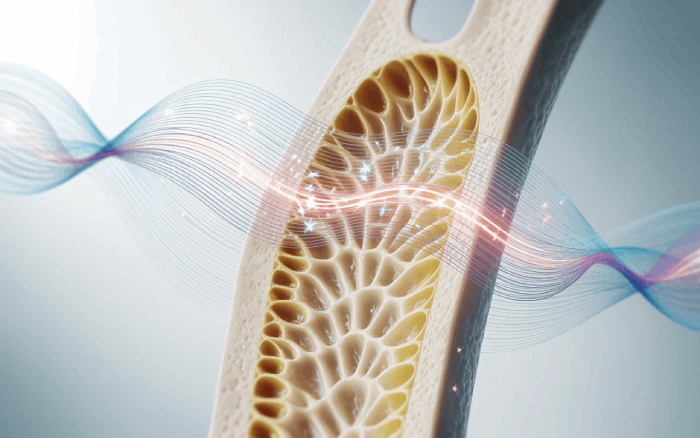
Maintaining strong, healthy bones becomes increasingly challenging as we age. Traditional approaches to bone health often focus on medication and supplements, yet many people seek natural, non-invasive alternatives that support the body’s innate healing capabilities.
Pulsed Electromagnetic Field therapy has emerged as a promising solution, offering a drug-free approach to improving bone density, accelerating fracture recovery, and managing conditions like osteoporosis. This comprehensive guide explores how electromagnetic stimulation works at the cellular level to promote bone regeneration and enhance overall skeletal health.
Understanding How PEMF Technology Works for Skeletal Wellness
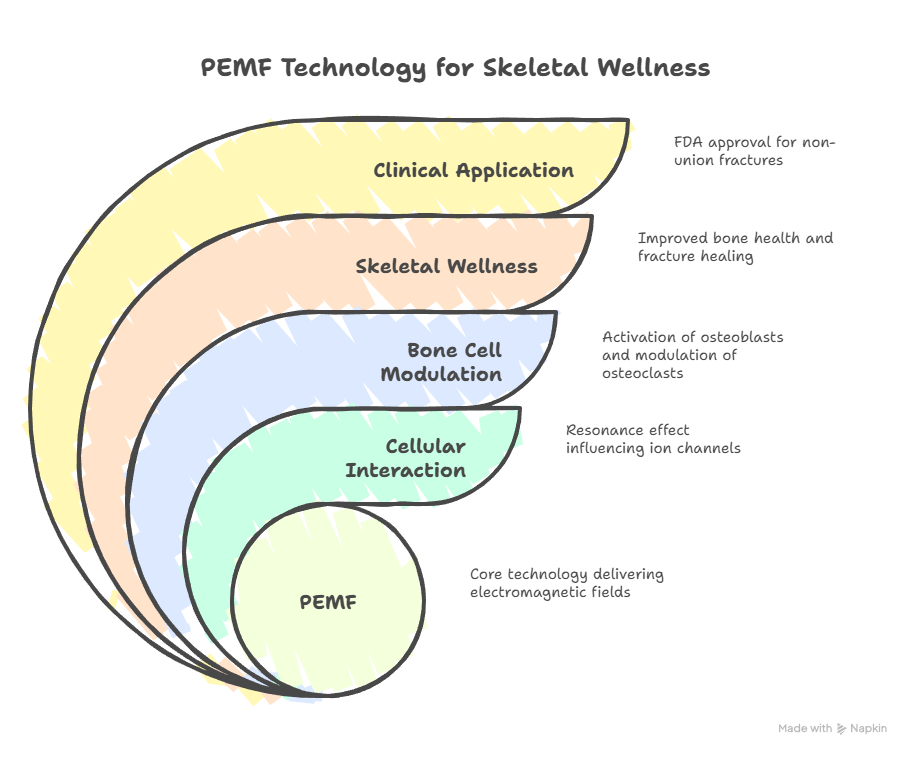
PEMF technology delivers low-frequency electromagnetic fields to targeted areas of the body, penetrating deep into tissues to stimulate cellular activity at the molecular level. This non-invasive treatment generates pulsed currents that interact with the body’s bioelectricity, creating a resonance effect that influences ion channels and cellular signaling pathways.
When these electromagnetic fields reach bone tissue, they activate osteoblasts—the specialized cells responsible for building new bone—while simultaneously modulating the activity of osteoclasts that break down old tissue. The technology has received FDA approval for treating non-union fractures since 1979, and ongoing research continues to reveal its broader applications in skeletal medicine.
Unlike pharmaceutical interventions that may carry systemic side effects, pulsed electromagnetic stimulation works by enhancing the body’s natural repair mechanisms, making it particularly appealing for individuals seeking complementary treatment options alongside conventional care.

How Therapy Sessions Enhance Bone Mineral Density and Strength
Therapy sessions using pulsed electromagnetic stimulation have demonstrated remarkable effects on bone mineral composition and structural integrity. Clinical studies reveal that consistent treatment can increase the deposition of calcium and phosphorus within the bone matrix, directly enhancing mineralization processes that determine skeletal strength.
Each session typically lasts between 20 to 60 minutes, during which electromagnetic fields work to improve microcirculation throughout trabecular bone networks. This enhanced blood flow ensures optimal delivery of essential nutrients, oxygen, and growth factors to bone tissue while efficiently removing metabolic waste products.
Research indicates that patients undergoing regular PEMF treatments experience measurable improvements in bone mineral density, with some studies reporting healing rates as high as 80% compared to 64% in control groups. The therapy’s ability to simultaneously reduce inflammation and pain while promoting tissue repair creates an ideal environment for bone strengthening.
For individuals with compromised bone quality, whether from aging, hormonal changes, or medical conditions, these sessions offer a pathway to restoring structural integrity without invasive procedures or pharmaceutical dependency.

The Science Behind Bone Tissue Response to Electromagnetic Fields
Bone tissue exhibits remarkable sensitivity to electromagnetic stimulation, responding at multiple biological levels from molecular signaling to structural remodeling. At the cellular level, pulsed electromagnetic fields activate specific adenosine receptors on cell membranes, triggering cascades of intracellular events that promote bone growth.
These fields influence the production of essential proteins including decorin, fibronectin, osteocalcin, and osteopontin—all critical components of the extracellular matrix that provides bone structure. The electromagnetic stimulation also upregulates transforming growth factor-beta and bone morphogenetic proteins, which serve as powerful signals for bone regeneration.
Studies on trabecular bone growth show that electromagnetic field exposure can increase new tissue formation rates from 1.8 micrometers per day in controls to 3.4 micrometers per day in treated specimens. This acceleration occurs because the fields enhance osteoblast proliferation and maturation while modulating inflammatory cytokines that can otherwise impede healing.
The therapy essentially creates a more favorable biological environment for skeletal repair, optimizing the balance between bone formation and resorption that naturally occurs throughout life.
Optimizing Bone Mass Through Targeted Electromagnetic Stimulation
Bone mass maintenance requires a delicate equilibrium between tissue formation and breakdown, a balance that often becomes disrupted with age or disease. Targeted electromagnetic stimulation addresses this imbalance by specifically enhancing the activity of bone-building processes while suppressing excessive resorption.
The magnetic fields generated during treatment sessions penetrate to reach both cortical and trabecular bone structures, stimulating cellular activity throughout the skeletal system. For individuals experiencing age-related bone loss or those at risk for low bone mass, this technology offers preventative benefits alongside therapeutic applications.
Research demonstrates that electromagnetic therapy can effectively counteract the adverse effects of glucocorticoids on skeletal structure, making it valuable for patients requiring long-term steroid treatment. The stimulation promotes collagen synthesis, which provides the foundational framework upon which minerals are deposited to create dense, resilient bone tissue.
By addressing bone mass at the cellular level, this approach supports long-term skeletal health rather than merely treating symptoms. Regular treatment protocols typically span 45 to 90 consecutive days, with sessions designed to maximize cumulative benefits while allowing the body to integrate new tissue formation progressively.
Accelerating Bone Formation with Pulsed Electromagnetic Protocols
Bone formation represents a complex biological process requiring coordination among multiple cell types, signaling molecules, and structural proteins. Pulsed electromagnetic protocols specifically target osteoblasts, dramatically accelerating their ability to produce new bone matrix.
These protocols deliver precisely calibrated electromagnetic pulses that match the natural resonance frequencies of key ions like calcium, sodium, and potassium, optimizing cellular responses. When osteoblasts receive electromagnetic stimulation, they increase production of type I and type III collagen, creating the scaffolding necessary for mineralization.
The fields also enhance the expression of alkaline phosphatase, an enzyme critical for bone formation, while promoting the secretion of growth factors that further amplify osteogenic activity. Animal studies have documented that electromagnetic field exposure produces a two-fold increase in hard callus formation during early fracture healing stages, with callus volume doubling within 13 to 20 days post-injury.
This acceleration proves particularly valuable for patients experiencing delayed healing due to factors like diabetes, smoking, or compromised vascular supply. The technology’s ability to simultaneously promote angiogenesis—the formation of new blood vessels—ensures that developing bone tissue receives adequate nutritional support throughout the formation process, creating optimal conditions for robust skeletal regeneration.
PEMF Therapy Applications for Fracture Recovery and Bone Healing
PEMF therapy has established itself as a valuable tool for enhancing fracture recovery across diverse injury types and patient populations. From simple fractures to complex non-unions that resist conventional treatment, electromagnetic stimulation supports the healing cascade at every stage.
During the initial inflammatory phase following fracture, the therapy helps modulate excessive inflammation while maintaining the necessary cellular responses for repair initiation. As healing progresses to soft callus formation, electromagnetic fields stimulate fibroblasts and chondroblasts to produce the cartilaginous bridge that stabilizes the fracture site.
Subsequently, during hard callus development, the treatment accelerates the transformation of cartilage into mineralized bone tissue through enhanced osteoblast activity. Clinical applications extend beyond traumatic injuries to include surgical interventions like spinal fusions, where promoting solid bone bridging between vertebrae proves essential for successful outcomes.
For elderly patients with femoral fractures, athletes recovering from clavicular injuries, or individuals with slow-healing ankle fractures, PEMF therapy provides complementary support that can reduce recovery time and improve functional outcomes. The treatment’s non-invasive nature makes it accessible for home use under medical guidance, allowing patients to maintain consistent therapeutic protocols throughout their recovery period without frequent clinic visits.
Managing Osteoporosis Through Electromagnetic Bone Stimulation
Osteoporosis affects millions globally, creating fragile, porous bones susceptible to devastating fractures from minimal trauma. Electromagnetic bone stimulation offers a multi-faceted approach to managing this progressive condition by simultaneously addressing bone loss and promoting new tissue formation.
The therapy works by activating cellular signaling pathways that shift the balance between osteoblast and osteoclast activity, favoring bone building over breakdown. For postmenopausal women, who face elevated fracture risk due to hormonal changes affecting bone metabolism, regular electromagnetic treatment has demonstrated improvements in bone mineral density measurements.
The stimulation enhances calcium uptake by bone cells, ensuring that dietary and supplemental calcium gets effectively incorporated into the skeletal matrix rather than being excreted. Additionally, the therapy’s anti-inflammatory effects help address the chronic low-grade inflammation that can accelerate bone loss in osteoporotic patients.
Studies indicate that consistent electromagnetic treatment can reduce osteoporosis-related pain by promoting tissue repair and reducing structural microdamage within bones. Unlike medications that may cause gastrointestinal issues or carry rare but serious side effects, electromagnetic stimulation provides a well-tolerated option suitable for long-term management.
Patients typically combine this treatment with adequate nutrition, weight-bearing exercise, and vitamin D supplementation for comprehensive osteoporosis care that addresses multiple aspects of bone health simultaneously.
Integrating Electromagnetic Field Therapy into Your Bone Health Regimen
Incorporating electromagnetic field therapy into a comprehensive bone health strategy requires understanding optimal treatment parameters and realistic expectations for outcomes. Most therapeutic protocols recommend sessions lasting 20 to 60 minutes, performed daily or several times weekly depending on the specific condition being addressed.
Home-use devices have made this technology increasingly accessible, allowing patients to maintain consistent treatment schedules without disrupting daily routines. The therapy proves most effective when combined with proper nutrition including adequate calcium, vitamin D, vitamin K2, and protein—all essential for supporting bone metabolism and mineralization.
Weight-bearing exercise complements electromagnetic stimulation by providing mechanical stress that further stimulates bone remodeling through different pathways. For individuals recovering from fractures, coordination with physical therapy helps restore function while electromagnetic treatment promotes tissue healing.
It’s essential to consult healthcare providers before beginning any new treatment regimen, particularly for those with pacemakers or during pregnancy, as electromagnetic fields may interfere with certain medical devices. Treatment response varies among individuals based on factors like age, overall health status, severity of bone loss, and adherence to protocols.
Most patients notice improvements in pain levels within weeks, while measurable changes in bone density typically require several months of consistent treatment. The technology’s safety profile, backed by decades of clinical use and research, makes it suitable for long-term application as part of an integrative approach to maintaining skeletal health throughout life.
Conclusion
Pulsed Electromagnetic Field therapy represents a significant advancement in natural bone health management, offering evidence-based support for bone regeneration, fracture healing, and osteoporosis treatment. By harnessing the body’s inherent responsiveness to electromagnetic stimulation, this technology enhances cellular processes fundamental to skeletal health—from osteoblast activation to improved nutrient delivery and reduced inflammation.
Whether addressing acute fractures, chronic bone loss, or seeking preventative measures against age-related skeletal decline, electromagnetic therapy provides a safe, non-invasive option that complements conventional medical care. As research continues to elucidate the mechanisms underlying its effectiveness, PEMF therapy stands poised to play an increasingly important role in comprehensive bone health strategies for diverse patient populations seeking natural solutions to maintaining strong, resilient skeletons throughout their lives.